What will happen when a SpaceX rocket collides with the Moon?
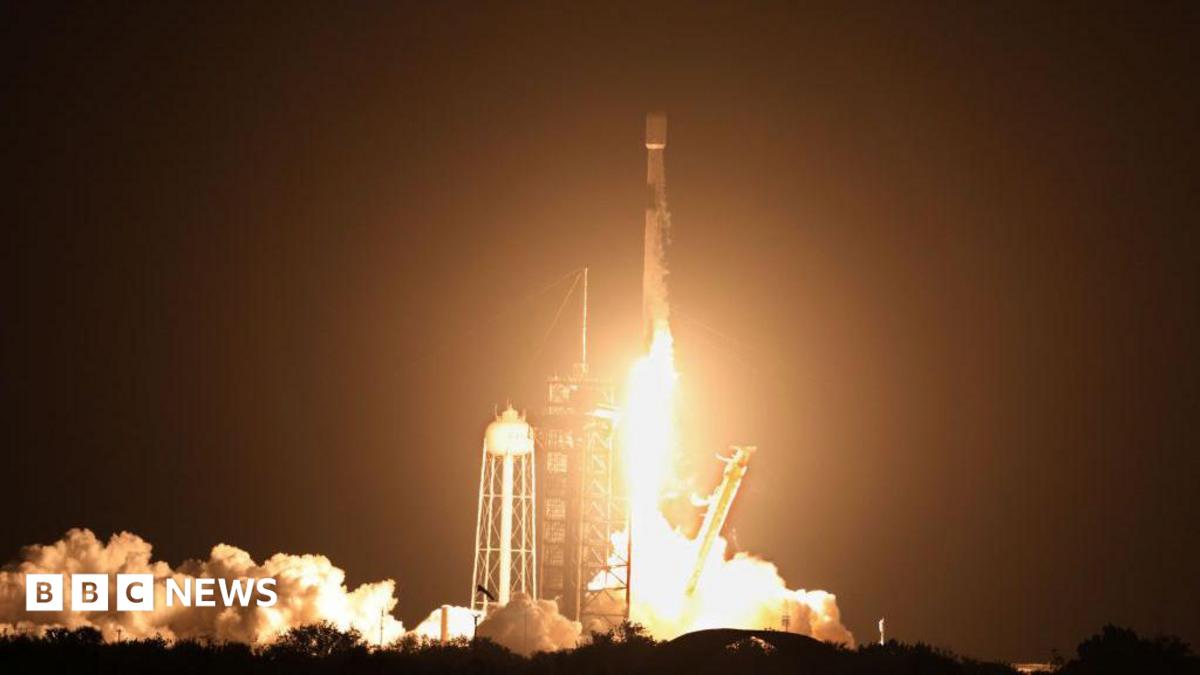
SpaceX Moon collision
Covered by 15 sources
- Irish Examiner World·2h agoSpaceX rocket about to crash into the moon in unintentional collision
Piece of SpaceX Falcon 9 rocket weighing four tonnes will hit the lunar surface on Wednesday at 5,400 miles per hour
Read at Irish Examiner World → - Irish Independent World·2h agoPiece of SpaceX rocket expected to crash into the moon today
Space experts say there is no danger to Earth
Read at Irish Independent World → - CBS News Top·13h agoSpaceX rocket expected to collide with moon, leave 16-foot crater
A SpaceX rocket weighing more than 8,000 pounds is set to hit the moon Wednesday in a rare man-made collision with the lunar surface. CBS News' Mark Strassmann has the story.
Read at CBS News Top → - Mint News·13h agoWhy is a SpaceX rocket crashing into the Moon today? Impact time, location, and everything you need to know
Although the impact will create a plume of lunar dust, experts say it poses no danger to Earth and is unlikely to be visible without specialized telescopes.
Read at Mint News → - 7NEWS Australia·13h agoA discarded SpaceX rocket is on a high-speed collision course with the moon
The rocket’s upper stage will unintentionally slam into the moon on Wednesday, carving out a crater and sending up a plume of dust and rubble that scientists are keen to observe.
Read at 7NEWS Australia → - ARY News PK·21h agoSpaceX rocket set for Moon collision on August 5: How big will the impact be?
SpaceX rocket set for Moon collision on August 5: How big will the impact be?
Read at ARY News PK → - BBC Science·1d agoWhat will happen when a SpaceX rocket collides with the Moon?
Our satellite has endured countless blows over millions of years - and astronomers think this one could be a useful accident.
Read at BBC Science → - Deccan Chronicle Ent·1d agoDiscarded SpaceX Rocket on High-Speed Collision Course With The Moon
The rocket’s upper stage will unintentionally slam into the moon on Wednesday, carving out a crater and sending up a plume of dust and rubble that scientists — and skygazers — are eager to observe
Read at Deccan Chronicle Ent →